
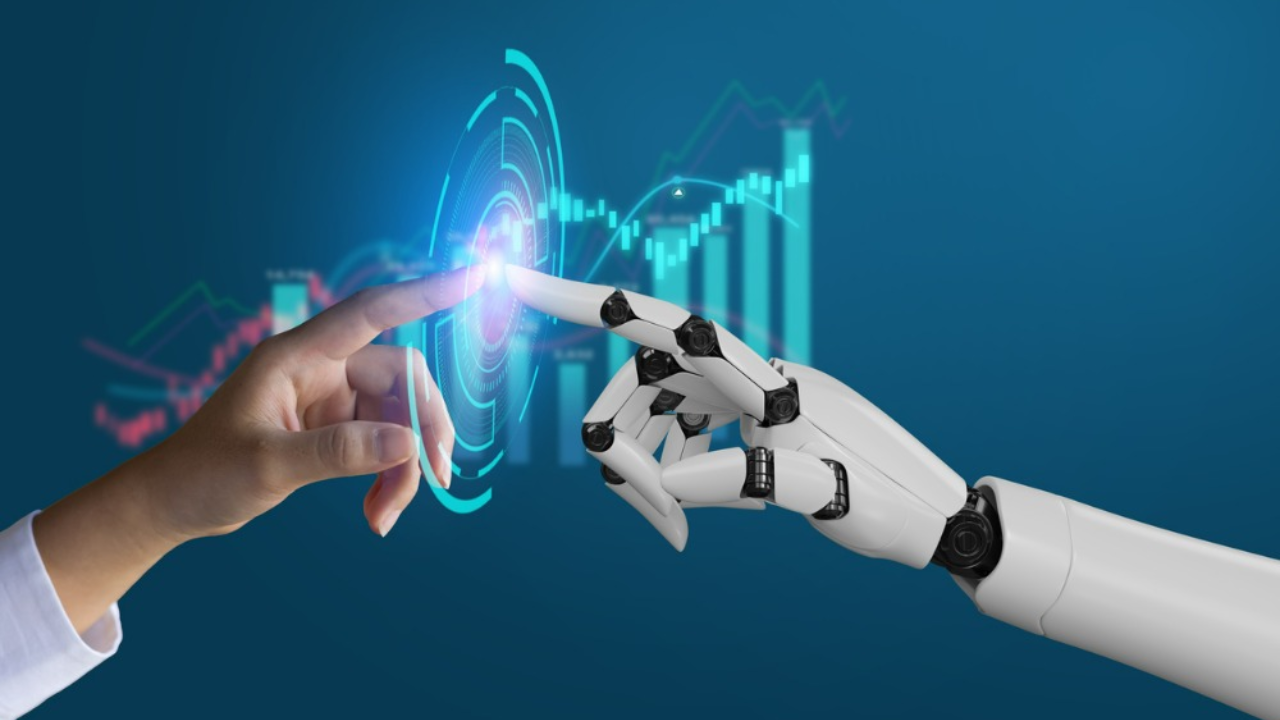
If you look at how AI automation is being used in 2026, one thing becomes very clear. It is no longer just about saving time.
A few years ago, automation mostly meant replacing repetitive tasks. Things like data entry, basic workflows, simple chatbots. Useful, yes, but limited. Now, it is something much bigger. Businesses are building entire systems around AI, not just plugging it in as a tool.
What has changed is the mindset. Automation today is not about doing the same work faster. It is about rethinking how work happens in the first place.
From Tools to Entire Ecosystems
One of the biggest shifts right now is how different technologies are being brought together instead of being used separately.
Take hyper automation, for example. It sounds like a buzzword, and it is, a little, but the idea behind it is actually very practical. Instead of automating one small part of a process, companies are automating everything they can, end to end. That includes combining tools like RPA, APIs, and process mining to create workflows that run almost on their own.
What is interesting is that these systems do not just execute tasks. They also identify inefficiencies and improve themselves over time. So automation is no longer static. It is evolving.
Then there is the rise of self healing systems, especially in software development. Earlier, even small changes, like a button moving on a website, could break automated test scripts. Someone had to go in and fix everything manually. Now, AI can detect those changes and update the scripts on its own. It is a small shift on the surface, but it removes a huge amount of invisible, repetitive work.
Another quiet but powerful change is the democratization of development. With low code and no code platforms, you do not need to be a programmer to build workflows anymore. Marketing teams, operations teams, even founders themselves are creating automation systems tailored to their needs.
This changes who gets to innovate inside a company. It is no longer limited to technical teams, and that is a big deal.
How Different Industries Are Actually Using It
This is not just theory. You can see the impact of AI automation clearly across industries.
In manufacturing, for instance, automation has become much more intelligent. Robots are not just following instructions. They are working alongside AI systems that monitor quality and detect errors in real time. Predictive maintenance is another major shift. Instead of waiting for machines to break down, AI analyzes patterns and predicts when something is likely to fail.
That means fewer disruptions, lower costs, and a much smoother operation overall.
In knowledge based work, the change feels even more personal. AI assistants are now part of everyday workflows. They help draft emails, summarize research, organize schedules, and even assist in complex processes like academic peer review.
But the key thing is they are not replacing professionals. They are speeding them up. Decisions that used to take hours now take minutes, because the groundwork is already done.
Then there is the issue of information integrity, which has become increasingly important. With so much content being created every second, verifying what is true is harder than ever. AI powered fact checking tools are stepping in here, scanning and cross referencing information almost instantly.
It is not perfect, but it is becoming necessary.
Why Humans Still Matter A Lot
With all this progress, it is tempting to imagine a fully automated future, but that is not really what is happening.
The most effective systems right now are hybrid.
AI handles speed, scale, and pattern recognition. Humans handle judgment, context, and nuance. And when you think about it, that balance makes sense. AI can tell you what is happening and even what might happen next, but it does not fully understand why it matters in a human context.
That is where people come in.
In fact, companies that lean too heavily on automation without human oversight often run into problems. Bad decisions, overlooked biases, or systems that technically work but do not make practical sense.
So instead of replacement, what we are really seeing is collaboration.
The Complicated Side of Progress
Of course, none of this comes without challenges.
One of the biggest concerns is job displacement. Automation is definitely reducing the need for certain types of roles. At the same time, it is creating new ones, but that transition is not always smooth. It requires reskilling, time, and access to opportunities that not everyone has equally.
Then there is data security. AI systems depend on large amounts of data, and that raises obvious risks. The more connected and automated systems become, the more vulnerable they can be if not properly secured.
Cost is another factor. While automation can save money in the long run, the initial investment, both financial and infrastructural, can be quite high. For smaller businesses, that is still a major barrier.
And finally, there is the issue of transparency and bias.
A lot of AI systems still operate like black boxes. You get an output, but you do not always know how it was generated. That becomes a serious concern in areas like hiring, finance, or healthcare, where decisions directly affect people’s lives.
Bias in data can lead to biased outcomes. And if those systems are not carefully monitored, the consequences can be significant.
So Where Does This Leave Us
If there is one way to sum up AI automation in 2026, it is this.
It is no longer just a tool. It is infrastructure.
It is shaping how businesses are built, how decisions are made, and how work flows from one point to another. But at the same time, it is not something that can or should run entirely on its own.
The real value of automation lies in how well it works with people, not without them.
And maybe that is the most important shift of all. Not just smarter machines, but smarter systems, built with a clearer understanding of where humans still matter the most.
COMMENTS