
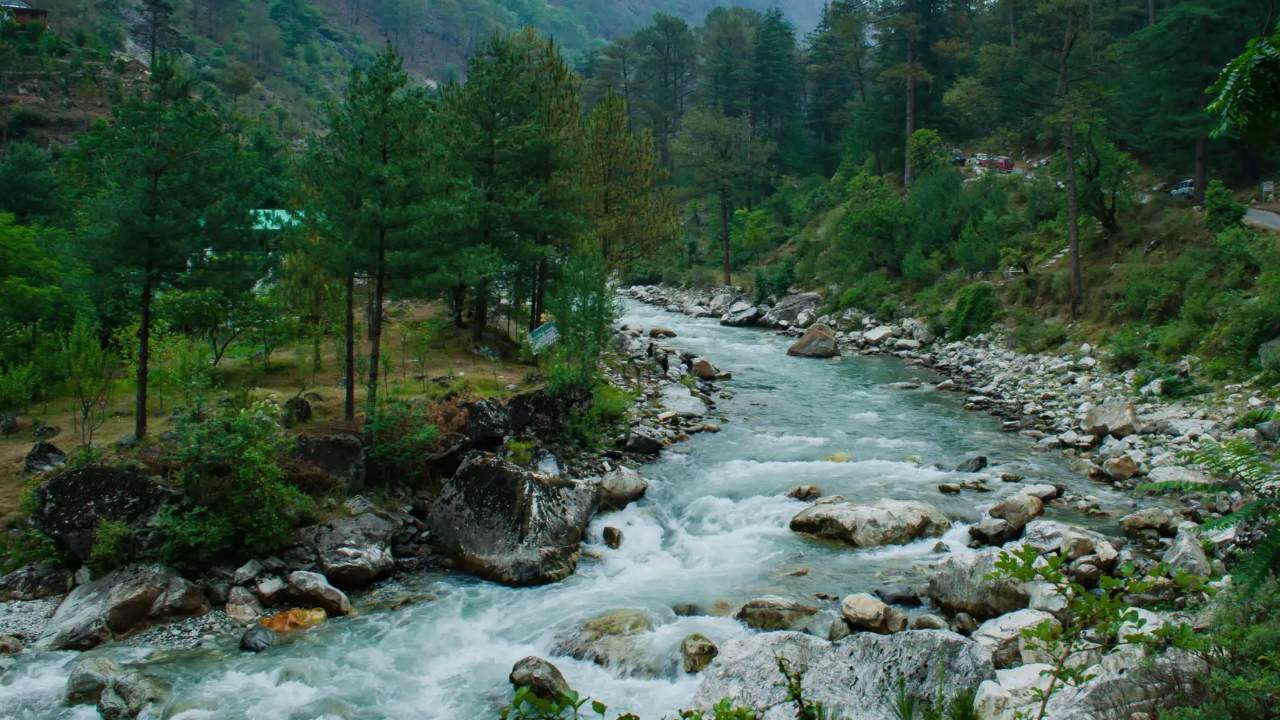
In a country as vast and diverse as India, travel has often been dominated by familiar names. Goa for beaches. Manali for mountains. Jaipur for forts. Kerala for backwaters. These destinations continue to attract millions of visitors every year, and for good reason. They are beautiful, accessible, and deeply woven into India’s tourism identity.
But in recent years, a growing number of travelers have started looking beyond the usual tourist circuits. Instead of crowded landmarks and heavily commercialized experiences, people are searching for quieter places that feel slower, more personal, and more connected to local culture and nature.
This growing shift has brought attention to what are commonly called “offbeat destinations.”
Offbeat places are lesser known travel destinations that remain relatively untouched by mass tourism. They may not appear in every travel brochure or trending Instagram reel, but they often offer something increasingly rare in modern travel: authenticity.
For many travelers today, the appeal of offbeat travel lies not only in discovering new places, but also in escaping the noise, speed, and predictability of mainstream tourism.
Why Offbeat Travel Is Becoming Popular
Modern travel culture has changed significantly over the last decade.
People are no longer traveling only to “see famous places.” Increasingly, they want experiences that feel meaningful, immersive, and emotionally refreshing. Travelers want local food instead of chain restaurants, quiet landscapes instead of overcrowded viewpoints, and conversations with local communities instead of rushed itineraries.
Social media has also played a surprising role in this shift. Ironically, while platforms like Instagram helped popularize many tourist hotspots, they also created fatigue around overcrowded destinations. Endless crowds, expensive commercialization, traffic, noise, and over tourism have pushed many people to search for alternatives.
Offbeat travel offers the feeling of discovery again.
It allows travelers to slow down and experience places more intimately instead of simply consuming destinations as checklist items.
The Hidden Beauty of Northeast India
Some of India’s most fascinating offbeat destinations are located in the Northeast, a region often overlooked despite its extraordinary cultural and ecological diversity.
Ziro, Arunachal Pradesh
Nestled between mist covered mountains and lush green rice fields, Ziro feels almost untouched by modern chaos. The region is known for the Apatani tribal community, whose sustainable farming traditions and distinct cultural practices have made Ziro one of India’s most unique cultural landscapes.
Unlike crowded hill stations filled with cafés and traffic, Ziro moves slowly. The atmosphere is peaceful, deeply connected to nature, and refreshingly quiet. The annual Ziro Music Festival has also helped introduce the valley to younger travelers while still preserving much of its natural charm.
Mawsynram, Meghalaya
Known as one of the wettest places on Earth, Mawsynram offers dramatic green landscapes, waterfalls, caves, and living root bridges shaped by generations of indigenous knowledge.
What makes places like Mawsynram special is not only their scenery, but their rhythm. Life there feels deeply connected to rain, forests, and the natural environment in a way that modern cities rarely experience anymore.
Beyond the Usual Hill Stations
India’s mountains are filled with destinations that remain overshadowed by more commercial tourist hubs.
Ponmudi, Kerala
Located in the Western Ghats, Ponmudi is a quiet hill station surrounded by winding roads, tea plantations, forests, and misty viewpoints. Unlike heavily commercialized mountain destinations, Ponmudi still feels calm and relatively untouched.
The beauty of places like Ponmudi lies in their simplicity. There are no massive crowds or aggressive tourism industries. Instead, travelers experience silence, greenery, and slower living.
Sangla Valley, Himachal Pradesh
Hidden within the Kinnaur region of Himachal Pradesh, Sangla Valley offers breathtaking Himalayan landscapes alongside apple orchards, wooden villages, and the flowing Baspa River.
Unlike busier towns such as Manali or Shimla, Sangla feels deeply serene. Travelers visit not for nightlife or shopping, but for mountain air, long walks, and a sense of stillness that urban life often lacks.
Quiet Coastal Escapes
India’s coastline is often associated with Goa, but several quieter coastal destinations offer equally beautiful experiences without overwhelming tourism.
Maravanthe, Karnataka
Maravanthe is one of India’s most visually unique coastal stretches. On one side lies the Arabian Sea, while on the other side flows the Souparnika River, separated only by a narrow highway.
The result feels surreal. Travelers experience water on both sides while driving through peaceful coastal landscapes far away from crowded beach culture.
Gokarna, Karnataka
Once a small temple town, Gokarna has gradually become popular among travelers looking for a quieter alternative to Goa. Beaches like Om Beach and Paradise Beach offer a more relaxed atmosphere without the intense commercialization often associated with larger tourist hubs.
Gokarna still retains a spiritual and laid back energy that makes it feel slower and less performative than many mainstream beach destinations.
Cultural and Historical Hidden Gems
Offbeat travel is not only about nature. Some of India’s lesser known historical towns offer rich cultural experiences without massive tourist crowds.
Bundi, Rajasthan
Often overshadowed by Jaipur and Udaipur, Bundi is one of Rajasthan’s most beautiful hidden towns. With blue painted houses, forts, palaces, narrow lanes, and ancient stepwells, Bundi feels deeply atmospheric and intimate.
The town carries the grandeur of Rajasthan without the overwhelming tourist density found in larger cities.
Bishnupur, West Bengal
Known for its terracotta temples and classical music traditions, Bishnupur represents a quieter side of Indian heritage tourism. Its intricate temple architecture and artistic history make it one of eastern India’s most underrated cultural destinations.
The Problem with “Discovering” Hidden Places
As offbeat travel becomes more popular, it also creates a difficult question.
What happens when hidden places stop being hidden?
Many destinations that were once peaceful eventually become overcrowded after social media exposure and tourism promotion. Increased tourism can strain local ecosystems, increase waste generation, inflate prices for local communities, and damage fragile cultural environments.
This creates a paradox within modern travel culture. Travelers often search for untouched places, but mass attention can unintentionally destroy the very qualities that made those places special in the first place.
Traveling More Responsibly
The future of offbeat tourism depends heavily on responsible travel practices.
Travelers increasingly need to think beyond aesthetics and ask how their presence impacts local communities and environments. Supporting locally owned homestays, respecting cultural traditions, minimizing waste, and avoiding exploitative tourism practices are becoming essential parts of ethical travel.
Offbeat destinations are not simply “hidden gems” waiting to be consumed. They are living communities with their own rhythms, traditions, and environmental limitations.
Travel should enrich places, not exhaust them.
Rediscovering the Meaning of Travel
Perhaps the growing popularity of offbeat destinations reflects something deeper about modern life itself.
People are exhausted by noise, speed, crowds, and constant digital stimulation. Many travelers are no longer searching only for luxury or entertainment. They are searching for stillness, authenticity, and emotional escape.
Offbeat travel offers moments that feel more human.
- A quiet valley in Arunachal Pradesh.
- Rain falling endlessly in Meghalaya.
- A silent beach in Karnataka.
- A forgotten fort town in Rajasthan.
These places remind people that travel is not always about doing more.
Sometimes, it is simply about feeling more present.
COMMENTS