
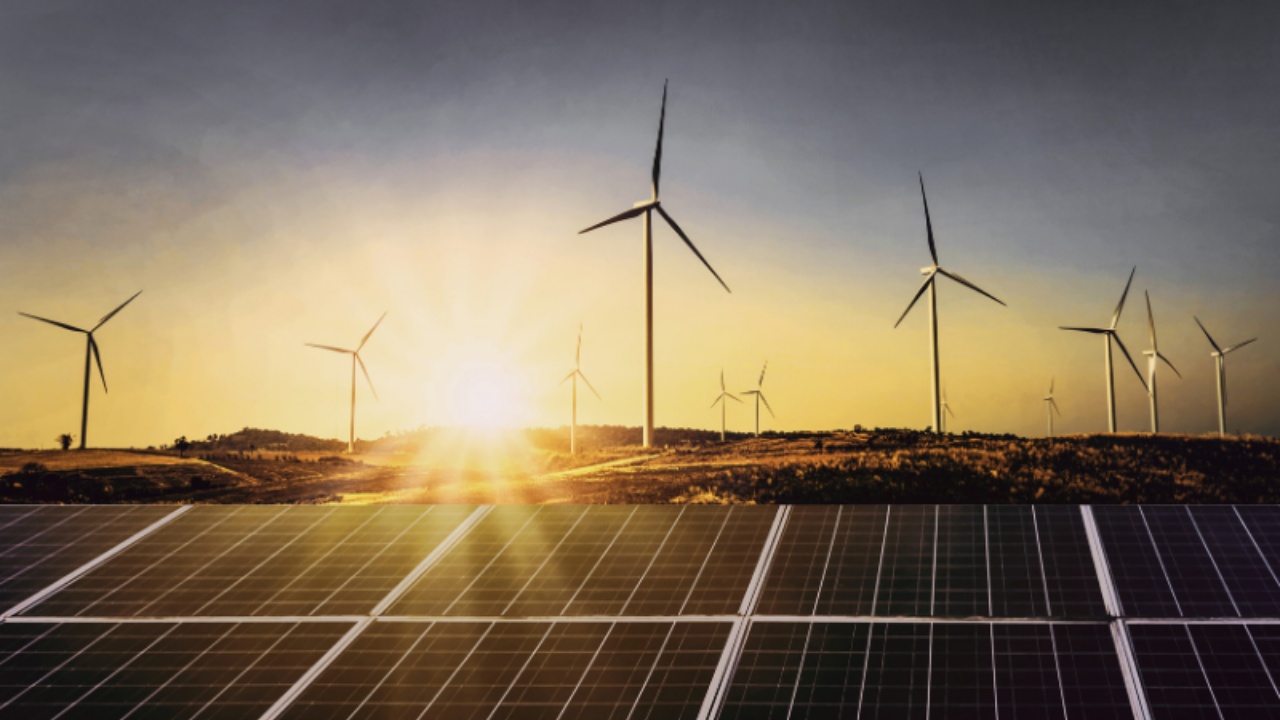
Every day, the sun delivers an overwhelming amount of energy to the earth, quietly and consistently. It does not fluctuate with markets, it does not depend on geopolitics, and it does not run out. Yet, for decades, our energy systems have relied on fuels that are expensive, finite, and environmentally damaging.
Solar energy, in that sense, feels less like a new invention and more like a delayed realization. The idea that we can convert sunlight into electricity is not new, but what has changed is how seriously the world is beginning to adopt it.
Today, solar energy solutions are no longer limited to experimental projects or niche users. They are becoming part of everyday infrastructure, from residential rooftops to large-scale solar farms powering entire regions.
More Than Just Panels
When people think of solar energy, they often imagine panels fixed on rooftops. While that image is familiar, it only captures one part of the story.
Solar energy solutions include a range of systems. Photovoltaic panels convert sunlight directly into electricity, which can power homes, offices, and industries. Solar thermal systems use sunlight to heat water, reducing reliance on conventional heating methods. In areas where grid access is limited, hybrid systems combine solar panels with batteries and backup generators, allowing for greater energy independence.
What makes solar unique is its scalability. The same technology can power a single household or an entire city, depending on how it is deployed. This flexibility makes it one of the most adaptable energy solutions available today.
Why Solar Is Gaining Ground
One of the strongest arguments in favor of solar energy is environmental. Unlike fossil fuels, solar power produces no emissions during operation. It does not contribute to air pollution or greenhouse gas accumulation, making it a critical tool in addressing climate change.
There is also a clear economic incentive. Once installed, solar systems significantly reduce electricity costs over time. While the initial investment can be high, the long-term savings often make it a practical choice for both households and businesses.
Beyond cost and sustainability, solar introduces a shift in how people relate to energy. Instead of being passive consumers, users can generate their own electricity. This sense of control, even if partial, marks a fundamental change in how energy systems are experienced.
The Challenges Beneath the Optimism
Despite its advantages, solar energy is not without limitations.
The most immediate challenge is intermittency. Solar panels only generate electricity when there is sunlight, which means production drops at night and during cloudy weather. This creates a gap between energy generation and consumption, especially in settings where demand continues beyond daylight hours.
Energy storage offers a solution, but it comes at a cost. Batteries allow excess power to be stored and used later, improving reliability, but they also increase the overall expense of solar systems.
Upfront cost remains another barrier. Although prices have decreased over the years, installing a high-quality solar system still requires a significant financial commitment. For many people, particularly in developing regions, this slows down adoption.
There are also spatial constraints. Not every building has sufficient roof space, and large solar farms require land, which can lead to conflicts over land use. Additionally, the manufacturing and disposal of solar panels involve environmental considerations that are often overlooked.
A System That Is Still Evolving
What makes solar energy particularly compelling right now is the pace of innovation.
Modern panels are becoming more efficient, generating more electricity from the same amount of sunlight. Building-integrated systems are allowing solar technology to blend into architecture, making it less intrusive and more practical in urban environments.
At the same time, smart systems are transforming how solar energy is managed. Advanced software can decide when to use energy, when to store it, and when to send it back to the grid. This turns solar from a static system into a dynamic one.
The Bigger Shift
Solar energy is not just changing how electricity is produced. It is changing the structure of energy systems themselves.
Traditionally, power has flowed in one direction, from centralized plants to consumers. Solar introduces the possibility of distributed generation, where homes and businesses can produce and even share energy. This decentralization has implications not just for efficiency, but also for resilience and control.
In countries like India, where energy demand is rising and infrastructure gaps still exist, solar offers both an opportunity and a challenge. Adoption is growing, but issues of affordability, awareness, and infrastructure remain.
More Than a Solution
Solar energy is often presented as the answer to our energy problems. In reality, it is better understood as a transition.
It does not eliminate all challenges, nor does it replace existing systems overnight. But it changes the direction in which we are moving.
And in a world facing increasing environmental and energy pressures, that shift in direction may be the most important change of all.
COMMENTS