
For the longest time, cars have meant one thing.
Fuel. Noise. Exhaust. A system built around oil that most of us never really questioned.
Now that system is slowly changing.
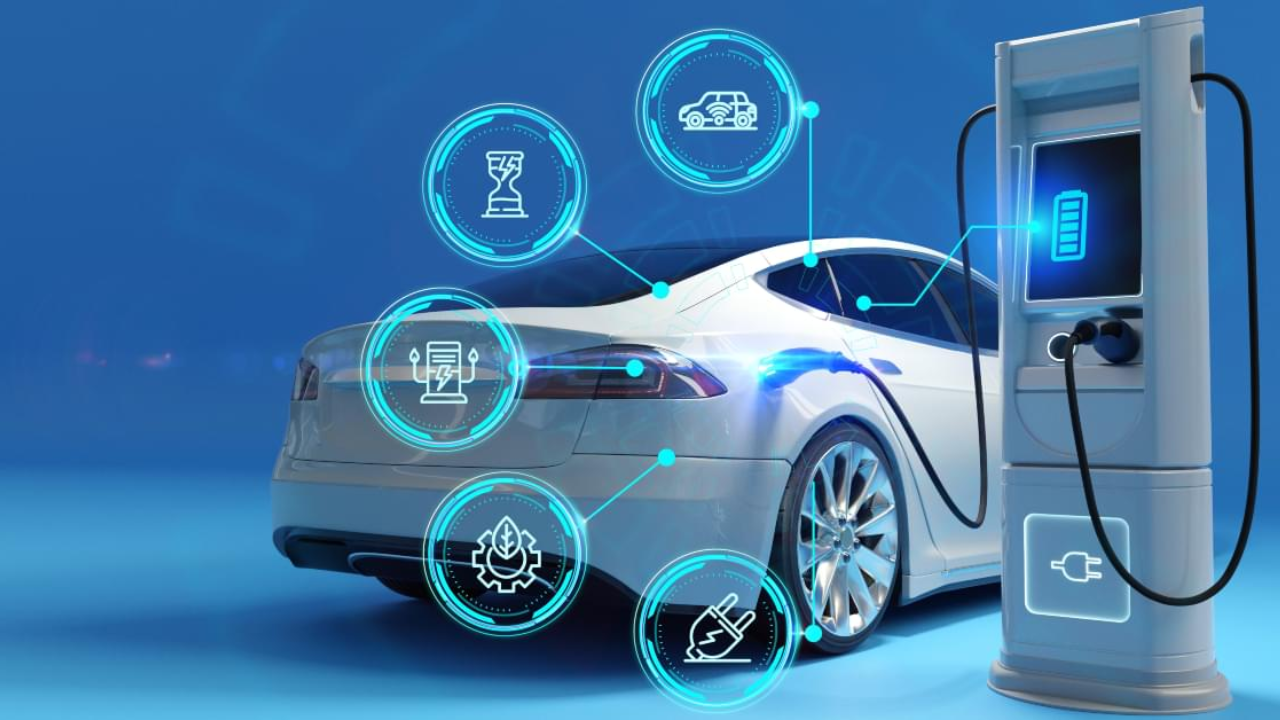
Electric vehicles, or EVs, are no longer a futuristic idea or something limited to a niche group of early adopters. By 2026, they have become a central part of how countries are rethinking transport, energy, and even cities themselves.
But what is interesting is that EVs are not just about replacing petrol with electricity.
They are about reimagining what mobility looks like.
What Makes an Electric Vehicle Different
At the most basic level, an electric vehicle runs on electricity stored in a rechargeable battery instead of relying entirely on an internal combustion engine.
Some vehicles are fully electric. These are called battery electric vehicles, and they run only on stored electrical energy. Others are hybrids, combining a smaller battery with a traditional engine, giving drivers a mix of both systems.
On paper, this sounds like a simple shift in power source.
In reality, it changes almost everything about how a vehicle operates. Electric motors are quieter, smoother, and far more efficient. There is no engine vibration, no gear shifts in the traditional sense, and no tailpipe emissions.
The experience of driving itself starts to feel different.
The Scale of the Shift
If this still feels like a gradual transition, the numbers tell a different story.
Global EV adoption has accelerated rapidly in just a few years. Sales have moved from around ten million vehicles in 2022 to nearly fourteen million in 2023. The total number of electric cars on the road has grown from about twenty six million in 2022 to well over fifty million by the end of 2024.
That kind of growth is not incremental. It signals a structural shift.
By 2024, more than one in five new cars sold globally was electric. The market itself is now valued at hundreds of billions of dollars, and it continues to expand as governments, companies, and consumers push toward cleaner alternatives.
What used to be a trend is now becoming the norm.
Why EVs Matter Beyond Just Cars
The importance of electric vehicles goes far beyond the automobile industry.
One of the biggest reasons for their rise is environmental.
Traditional vehicles release carbon dioxide and other pollutants directly into the air. EVs, on the other hand, produce no tailpipe emissions. That makes a noticeable difference in cities, where air quality is often a serious concern.
Even when you consider the electricity used to charge them and the impact of battery production, EVs generally have a lower overall carbon footprint compared to petrol or diesel vehicles.
They also consume energy differently. Electric motors convert a much larger portion of energy into motion, which makes them far more efficient than internal combustion engines.
And then there is the quieter side of the story, quite literally.
Electric vehicles reduce noise pollution. In crowded urban spaces, that can change how a city feels, not just how it functions.
The Practical Advantages People Actually Notice
Beyond environmental arguments, EVs come with everyday benefits that are starting to influence buying decisions.
Running costs are typically lower. Charging a vehicle often costs less per kilometer than filling up with fuel. Maintenance is also simpler because electric vehicles have fewer moving parts and do not require things like oil changes.
For many people, this practical advantage matters more than long term environmental impact.
At the same time, the driving experience itself is becoming a selling point. Smooth acceleration, minimal noise, and fewer mechanical interruptions create a sense of ease that traditional vehicles do not offer in the same way.
It is not just about being cleaner. It is about being different in a way that people can feel.
What Is Still Holding People Back
Despite all the progress, the shift to electric vehicles is not without hesitation.
One of the most common concerns is charging infrastructure.
In many places, especially outside major cities, finding a reliable charging station is not always easy. This leads to what is often called range anxiety, the fear that the vehicle will run out of charge before reaching the next charging point.
While battery ranges have improved significantly, the perception of limitation still exists.
Cost is another factor. Although prices are gradually coming down, many electric vehicles still have a higher upfront cost compared to traditional cars. Incentives and subsidies help, but they are not always consistent across regions.
Then there are concerns around batteries themselves. Questions about how materials are sourced, how long batteries last, and what happens when they need to be replaced or recycled are all part of the conversation.
These are not small concerns. They are part of what will shape how quickly EVs are adopted at scale.
The Technology Is Evolving Faster Than You Think
What makes this transition interesting is how quickly the technology is improving.
Battery innovation is a major focus. Companies are working on new designs that offer higher energy density, faster charging, and better safety. Solid state batteries, for example, are often discussed as a potential breakthrough that could address many current limitations.
Charging is also getting faster.
Ultra fast charging stations are being rolled out that can significantly reduce charging time, in some cases bringing it down to around fifteen to thirty minutes. That starts to make the experience feel closer to refueling a conventional car.
Another emerging concept is bidirectional charging.
Instead of just drawing power from the grid, some electric vehicles can send electricity back. This means a car could potentially power a home during an outage or support the grid during peak demand.
It turns a vehicle into more than just a means of transport. It becomes part of the energy system.
India’s Position in This Transition
In India, the EV story has its own unique rhythm.
Growth has been steady, with a strong push coming from two wheelers and three wheelers rather than passenger cars alone. This reflects how mobility actually works in the country.
Sales have continued to rise, supported by government initiatives and increasing awareness. The goal is ambitious, aiming for a significant share of electric vehicles by the end of the decade.
Charging infrastructure is also expanding rapidly. In just a few years, the number of public charging stations has grown several times over, making adoption more practical than it was before.
At the same time, Indian manufacturers are beginning to introduce more models, especially in higher segments, signaling a shift in how the market is evolving.
It is not a uniform transition, but it is a clear one.
So What Are Electric Vehicles Really Changing
If you look at everything together, electric vehicles are not just replacing one type of car with another.
They are changing how we think about energy, infrastructure, and movement.
They connect transport with electricity in a way that did not exist before. They shift costs from fuel to power. They turn vehicles into part of a larger, interconnected system.
And perhaps most importantly, they make people question something that once felt fixed.
What powers the way we move.
Because in the end, the story of electric vehicles is not just about cleaner cars.
It is about a gradual but undeniable shift toward a different kind of future. One where mobility is quieter, more efficient, and more closely tied to the systems that power everything else around us.
And that shift is already underway.
COMMENTS