
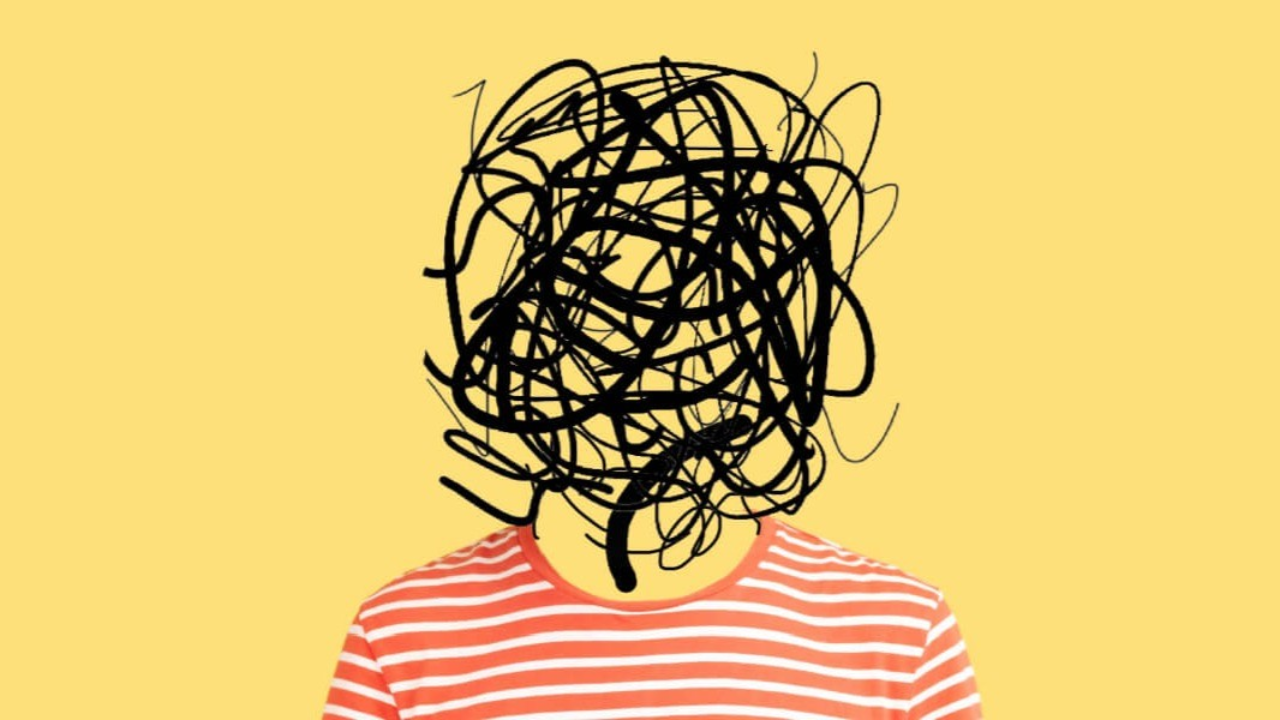
Anxiety today is no longer experienced only during moments of crisis. For many people, it has become woven into daily life itself. It appears in rushed mornings, unread emails, late night scrolling, irregular sleep, overstimulation, and the constant pressure to remain productive. Modern lifestyles have created an environment where stress is not occasional anymore. It is continuous.
This growing phenomenon is often described as an “anxiety lifestyle” a way of living where routines, habits, work culture, technology, and even social expectations keep the nervous system in a constant state of alertness. Anxiety is no longer just an internal emotion. It is deeply connected to how people sleep, eat, work, move, and interact with the world around them.
For many urban professionals, students, and digitally connected individuals, anxiety has become normalized to the point where exhaustion, racing thoughts, irritability, and emotional overwhelm are mistaken for ambition or productivity.
The problem is that the human mind and body were never designed to function under nonstop stimulation.
When Anxiety Becomes Everyday Background Noise
One of the most dangerous aspects of modern anxiety is how ordinary it has started to feel.
People often wake up already mentally overwhelmed, immediately check notifications, multitask through the day, consume caffeine to stay functional, spend hours in front of screens, and carry stress into bedtime without ever allowing the nervous system to fully recover.
This creates what psychologists often describe as a “low grade stress state,” where the body continuously releases stress hormones even in the absence of immediate danger.
Instead of dramatic panic attacks, anxiety frequently appears in quieter forms such as difficulty relaxing, constant overthinking, restlessness, muscle tension, irritability, brain fog, poor sleep, and emotional exhaustion.
Because these symptoms are so common, many people stop recognizing them as signs of chronic stress altogether.
Modern culture often rewards hyper availability and overworking, making anxiety feel less like a health issue and more like a personality trait.
How Lifestyle Habits Intensify Anxiety
One of the biggest misconceptions about anxiety is that it exists only in the mind. In reality, lifestyle habits have a profound impact on emotional regulation and nervous system functioning.
Poor Sleep and Emotional Instability
Sleep is one of the strongest regulators of emotional health. Yet modern lifestyles often prioritize productivity and screen time over rest.
Late night scrolling, inconsistent sleep schedules, and reduced sleep quality disrupt the brain’s ability to process stress effectively. As sleep deprivation increases, emotional reactivity rises as well. Minor problems begin to feel overwhelming, concentration weakens, and the mind becomes more vulnerable to anxious thinking.
For many people, anxiety and poor sleep become a cycle where one continuously worsens the other.
Digital Overload and Constant Stimulation
The human brain was not built for continuous connectivity.
Notifications, emails, social media updates, doom scrolling, and information overload keep the nervous system constantly stimulated. Even moments that appear restful often involve passive digital consumption that prevents genuine mental recovery.
Social media also fuels comparison culture, where people constantly evaluate their lives against curated online realities. This can intensify feelings of inadequacy, insecurity, and pressure to perform.
The result is a nervous system that rarely experiences true stillness.
Diet, Caffeine, and Physical Stress
Lifestyle driven anxiety is also deeply physical.
Excess caffeine, processed foods, irregular eating habits, dehydration, and high sugar intake can all increase physiological symptoms associated with anxiety, including rapid heartbeat, jitteriness, fatigue, and mood instability.
Because these physical sensations resemble anxiety itself, unhealthy habits can unintentionally intensify emotional distress.
Sedentary lifestyles add another layer to the problem. Long periods of sitting reduce physical movement, increase tension, and limit the release of mood regulating chemicals that support emotional balance.
The Shift Toward Anxiety Conscious Living
As awareness around mental health grows, more people are beginning to rethink how daily routines affect emotional wellbeing.
Instead of viewing anxiety only as a disorder requiring treatment, many experts now approach it as a lifestyle issue that can often be improved through intentional environmental and behavioral changes.
This shift is important because it moves the conversation away from self blame and toward self understanding.
Movement as Emotional Regulation
Physical activity has become one of the most recommended lifestyle tools for anxiety management.
Walking, yoga, stretching, cycling, strength training, or even short periods of movement can significantly reduce stress hormones while increasing endorphins and emotional stability.
The goal is not extreme fitness. It is nervous system regulation.
Even small habits like taking short walks between work sessions or spending time outdoors can create noticeable improvements in mood and mental clarity.
The Importance of Rest and Sleep Hygiene
Modern anxiety often thrives in exhaustion.
Creating healthier sleep routines has become one of the most effective ways to support emotional resilience. Consistent bedtimes, reduced screen exposure before sleep, and calming nighttime rituals help signal safety and rest to the brain.
People are increasingly recognizing that rest is not laziness. It is biological maintenance for emotional functioning.
Mindfulness and Slowing Down
Mindfulness practices have also gained popularity because they directly counter the overstimulation of modern life.
Deep breathing, meditation, journaling, grounding exercises, and intentional moments of stillness help anchor attention in the present moment rather than in anxious future thinking.
These practices are not about “eliminating stress completely.” They are about teaching the nervous system how to return to calm more effectively.
Social Connection as Emotional Support
Anxiety often becomes worse in isolation.
Healthy social connection plays a major role in emotional regulation because supportive relationships create feelings of safety, understanding, and belonging. Conversations with trusted friends, family, or support groups can reduce emotional burden and interrupt cycles of anxious overthinking.
In a hyper digital world, genuine human connection is increasingly becoming a form of emotional protection.
Designing a Less Anxious Life
Perhaps the most important shift happening today is the understanding that anxiety is not always simply a personal weakness or internal flaw.
Sometimes it is the direct result of environments and routines that continuously overload the human mind.
This is why more people are beginning to treat anxiety as a lifestyle design issue rather than just a medical condition.
Small changes matter.
Screen free mornings, short walks during workdays, healthier sleep schedules, less caffeine,
more movement, more rest, more boundaries, more silence, and more human connection all help create conditions where the nervous system can finally breathe.
None of these changes solve life completely. But together, they help create conditions where the nervous system can finally breathe.
A More Human Way of Living
Modern life often encourages speed, constant productivity, and nonstop stimulation. But the human mind still requires rest, safety, slowness, and emotional connection to function well.
The rise of the “anxiety lifestyle” reveals an important truth: mental health is not shaped only by thoughts. It is shaped by routines, environments, habits, and culture itself.
And perhaps healing from anxiety does not always begin with becoming someone entirely different.
Sometimes, it begins with learning how to live a little more gently.
COMMENTS